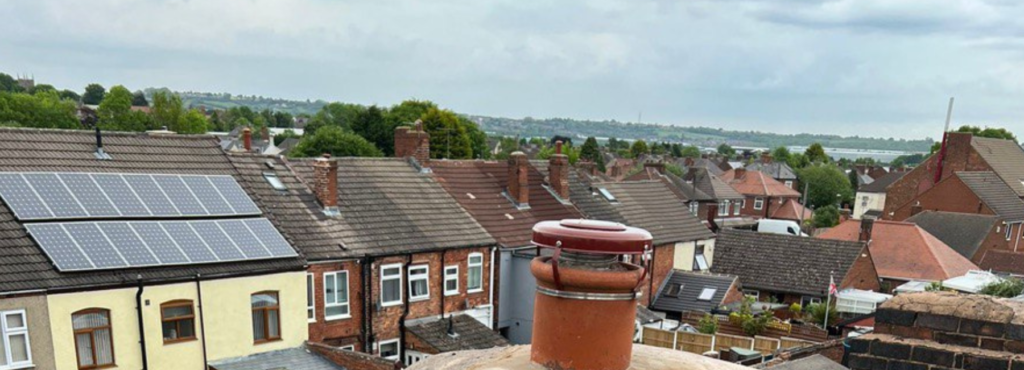
A roof is made up of several components that work together to keep a property protected from rain and changing weather conditions. Roof tiles, flashing, underlay, valleys, gutters and roofline features all play an important role in directing water away from the building. When one or more of these components become damaged, water can find its way beneath the roof covering and eventually enter the property.
For homeowners in Burton Joyce, Nottingham, understanding how roof defects can lead to internal water damage is important for protecting ceilings, walls, insulation and timber structures. Recognising the warning signs early can help prevent a minor roofing issue from developing into a more extensive problem.
How Roof Damage Allows Water to Enter a Property
A properly maintained roof creates a protective barrier against rainfall. However, damage to individual components can interrupt the way water is shed from the roof. Even a relatively small defect can allow moisture to reach areas that are not designed to withstand regular exposure.
Water does not always appear directly beneath the damaged section. It can travel along roof timbers, insulation and other internal surfaces before becoming visible as a stain or damp patch. This can make identifying the original source more difficult without a careful inspection.
Broken or Slipped Roof Tiles
Roof tiles provide the main external covering on many pitched roofs. Their overlapping arrangement helps prevent rainwater from reaching the layers beneath.
When tiles crack, break or slip out of position, gaps can develop in the roof covering. Wind-driven rain may then pass beneath the tiles and reach the underlay or roof structure.
Possible warning signs include:
- Damp patches appearing on ceilings or upper walls.
- Water stains in the loft after rainfall.
- Visible gaps or uneven sections across the roof.
- Pieces of broken tile found around the property.
Replacing damaged tiles and checking the surrounding area can help restore the roof’s protective covering. It is also important to establish why tiles have moved, as deteriorated fixings or problems with the supporting structure may need attention.
Damaged Roof Flashing
Flashing is used around vulnerable roof junctions, including chimneys, roof abutments and certain changes in roof direction. Its purpose is to create a weather-resistant seal where different surfaces meet.
If flashing becomes loose, cracked or poorly sealed, rainwater can enter through these junctions. Moisture may then travel into the roof space or along internal walls, causing dampness and damage to plasterwork.
Because flashing defects are not always easy to see from ground level, a professional inspection is often useful when leaks occur around chimneys or roof intersections.
Deteriorating Roof Underlay
Underlay sits beneath the external roof covering and provides an additional layer of protection against moisture. It also helps manage water that may pass beneath tiles or slates.
Over time, older underlay can become brittle, torn or weakened. If it no longer performs effectively, moisture may reach the roof timbers and insulation.
Damage to underlay can be particularly difficult to identify because it is hidden beneath the roof covering. Signs such as damp insulation, musty smells in the loft or recurring leaks may indicate that the concealed layers need closer examination.
Blocked or Damaged Roof Valleys
Roof valleys are the internal channels where two sloping roof sections meet. They collect and direct significant amounts of rainwater towards the guttering system.
Leaves, moss and other debris can restrict water flow, while damaged valley materials may allow moisture to penetrate beneath the roof covering. If water overflows or passes through a defective junction, it can affect the roof structure and internal ceilings.
Regular checks help identify visible debris and signs of deterioration before water ingress becomes more serious.
Faulty Gutters and Downpipes
Gutters and downpipes are essential parts of the roof’s drainage system. They collect rainwater from the roof and carry it away from the building.
When gutters become blocked, cracked or detached, water may overflow onto fascia boards, external walls and areas around the roofline. Persistent overflow can contribute to damp patches, damaged masonry and moisture entering through vulnerable joints.
Keeping gutters clear and ensuring that joints and brackets remain secure helps maintain effective drainage. Any recurring overflow should be investigated rather than treated as a minor maintenance issue.
How Internal Water Damage Develops
Once water enters the roof structure, it can affect several parts of the property. Insulation may become damp and lose some of its effectiveness, while timber components can remain exposed to moisture. Plasterboard ceilings may develop discolouration, bubbling paint or sagging.
In some cases, the first visible sign is a small brown stain. However, the damage may have been developing inside the roof space for some time. A musty smell or unexplained dampness in an upstairs room can also indicate a hidden leak.
It is important to identify and repair the source of water ingress before concentrating solely on the internal marks. Repainting or replacing damaged plasterwork will not resolve the problem if rainwater is still entering through the roof.
The Importance of Professional Roof Repairs
Finding the exact source of a roof leak requires more than examining the area where water appears indoors. A thorough inspection should consider the external roof covering, flashing, valleys, underlay and drainage components.
Burton Joyce Roofing Repairs can help identify damaged roof components and carry out appropriate repairs for properties in Burton Joyce, Nottingham. Addressing the underlying defect helps restore the roof’s ability to protect the property and reduces the risk of further internal damage.
Conclusion
Damaged roof components can allow rainwater to enter a property through gaps in tiles, defective flashing, deteriorating underlay, faulty valleys and ineffective guttering. Once moisture reaches the interior, it can affect ceilings, walls, insulation and timber structures.
Recognising early warning signs and arranging suitable repairs can help prevent further deterioration. If you have noticed damp patches, water stains or signs of a roof leak at your property in Burton Joyce, Nottingham, contact Burton Joyce Roofing Repairs to discuss your roofing requirements.
Call us on: 0115 647 1193
Click here to find out more about Burton Joyce Roofing Repairs
Click here to complete our contact form and see how we can help with your roofing needs.